
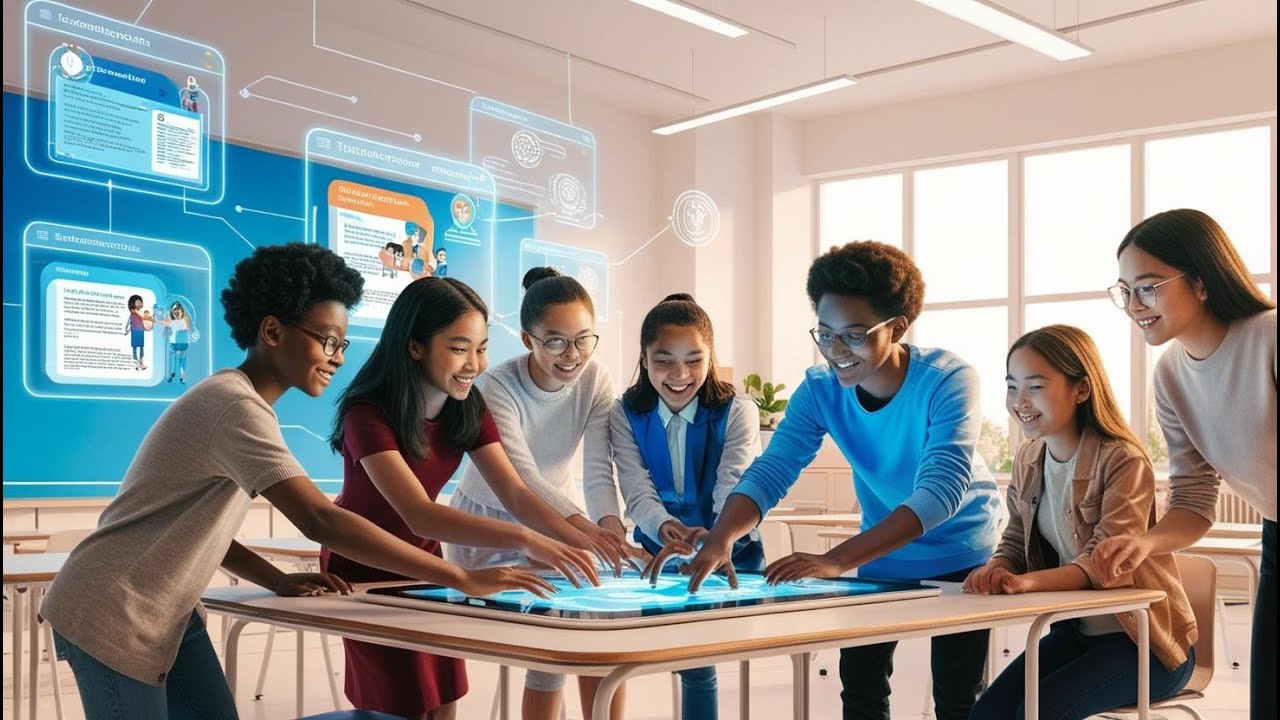
Educational institutions are continuing to modernize classrooms by integrating digital technologies into everyday learning. Schools, colleges, and universities are investing in online platforms, interactive learning tools, and high-speed internet to improve access to education and prepare students for a rapidly changing workforce.
Hybrid learning models have become increasingly common, allowing students to combine in-person instruction with online coursework. This flexible approach helps accommodate different learning styles while expanding educational opportunities for those living in remote areas.
Teachers are also benefiting from digital resources. Learning management systems make it easier to distribute assignments, monitor student progress, and provide personalized feedback. Video lessons, virtual laboratories, and collaborative online projects encourage greater student engagement both inside and outside the classroom.
Technology companies continue developing educational software that uses artificial intelligence to recommend learning materials based on each student’s progress. These adaptive systems can identify knowledge gaps and provide additional exercises where needed.
Despite these advances, education experts emphasize that technology should support—not replace—traditional teaching methods. Face-to-face interaction, critical thinking, teamwork, and communication remain essential skills that are best developed through active participation in the classroom.
As digital education continues to evolve, institutions are focusing on balancing innovation with accessibility, ensuring that students from all backgrounds have equal opportunities to succeed in an increasingly technology-driven world.